Dance as a Way of Life in Brussels: Wellness, Balance, and Daily Consistency
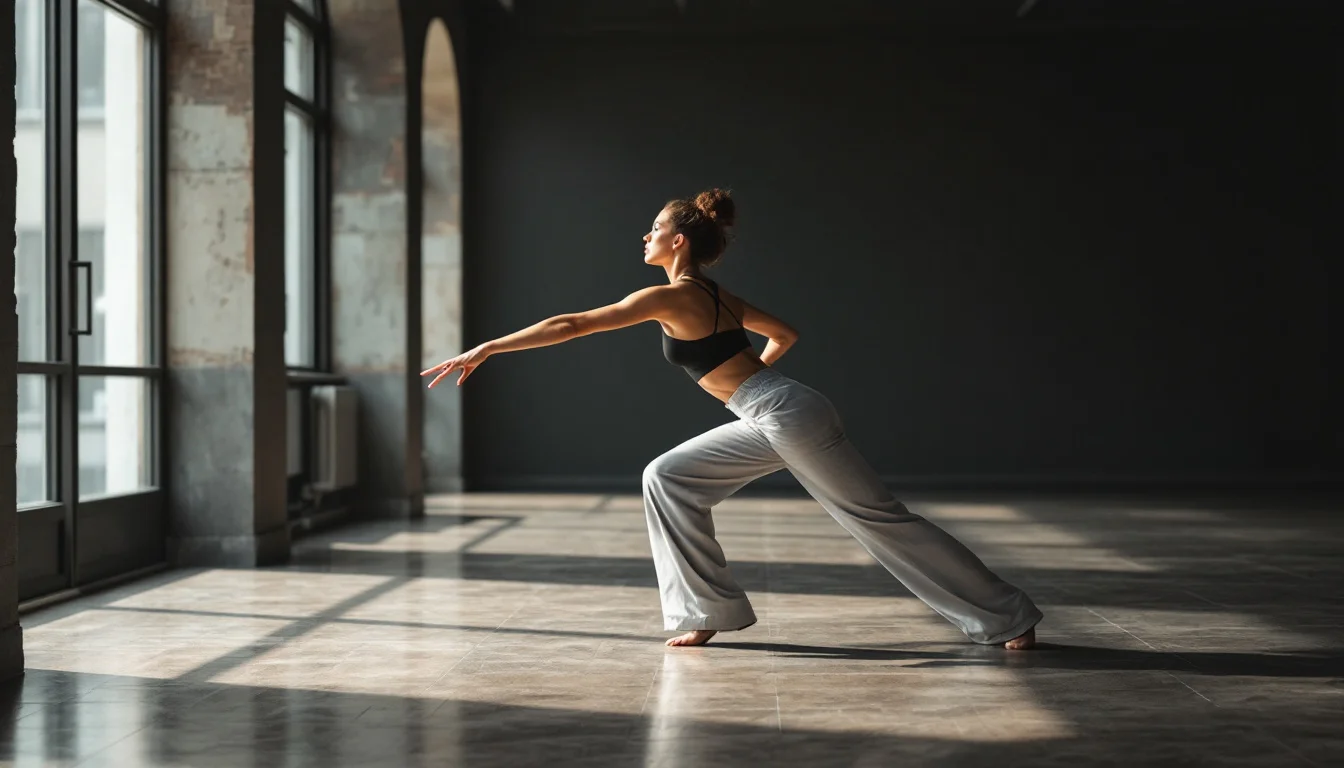
In the sometimes frantic pace of life in Brussels, between commuting, screens, and obligations, finding an activity that benefits both body and mind becomes invaluable. Dance answers this need in a unique way. It is not merely a physical exercise or a simple hobby: it is a true way of life, a way to inhabit one's body and daily routine with greater awareness and joy.
This article explores dance from the perspective of well-being. It delves into its physical and mental benefits, how to fit it into a busy urban lifestyle, and the motivational drivers that help you stay consistent over time. The goal is to show that dancing regularly, far from being a luxury reserved for a select few, can become an accessible and profoundly beneficial habit.
The Physical Benefits of Regular Practice
Dance engages the body in a comprehensive and harmonious way. Unlike certain repetitive activities, it works the entire musculature while developing physical qualities that are often overlooked.
- Gentle cardio. Flowing through movements to music gives the heart a workout without the monotony of gym equipment. You burn energy without even thinking about it, carried away by the joy of the rhythm.
- Coordination and balance. Dance refines the connection between the brain and the body. It improves proprioception—the ability to sense where your limbs are in space—which is useful far beyond the studio.
- Flexibility and posture. Stretching and sweeping movements maintain joint mobility and gradually correct the tension caused by prolonged sitting.
- Muscle tone. Jumps, grounding, and weight shifts build deep strength without the heaviness of purely mechanical training.
These benefits take root through consistency. While a single session already provides a pleasant feeling, it is the repetition over time that lastingly transforms your physical fitness and your relationship with your body.
An Ally for Mental Balance
While the physical benefits are well known, the mental dimension of dance deserves just as much attention. Moving to music affects your mood and mind in a way that few other activities can match.
Dancing releases accumulated tension. The concentration required to learn a choreography diverts your attention away from daily worries, fostering a state of full presence. During class, there are no emails to check or to-do lists to tick off: there is only movement, music, and the present moment.
This quality of presence produces a calming effect akin to active meditation. Add to that the satisfaction of learning and progressing, which nourishes self-esteem. Mastering a sequence you thought was out of reach brings a simple, genuine sense of pride. Finally, the collective aspect of classes fosters a sense of belonging that contributes to emotional well-being.
In a big city where stress and isolation can easily creep in, these effects are not to be underestimated. Dance provides a space to reconnect with yourself while staying connected to others.
Integrating Dance into a Busy Urban Routine
The challenge lies not in recognizing the benefits of dance, but in finding the time to practice it. Life in Brussels leaves little respite, and many good resolutions clash with a lack of time. A few practical principles can help overcome this hurdle.
Choose Proximity
The primary factor in consistency is distance. A studio close to home or work reduces friction and minimizes excuses for skipping class. The eastern neighborhoods of the capital, around Woluwe-Saint-Lambert and Stockel, offer a very convenient setting in this regard. The Wolubilis cultural hub combines artistic richness with excellent accessibility, while the Stockel area, near Place Dumon, boasts a highly appreciated neighborhood atmosphere. Signing up for dance classes in Brussels located along your usual commute significantly increases the chances of sticking with it over time.
Set a Fixed Appointment
Consistency takes hold when the class becomes a non-negotiable appointment, scheduled in your calendar just like an important meeting. Choosing a recurring time slot, always on the same day, builds a habit that eventually requires no decision-making effort.
Take Advantage of Flexible Schedules
A school with extended opening hours throughout the week, including weekends, makes it much easier to fit dance into a tight schedule. Being able to choose between several time slots allows you to adapt to the unexpected without giving up your practice.
Motivation and Consistency: The Keys to Longevity
Starting is one thing; keeping it up is another. Initial motivation, often intense, tends to fade after a few weeks. Several strategies can help you stay on track.
- Set modest goals. Aiming for one class a week consistently over three months is more realistic and motivating than an ambitious program doomed to be abandoned.
- Focus on pleasure rather than performance. Technical progress will happen naturally. What sustains consistency is the joy experienced during each session.
- Lean on the community. Meeting up with a group creates a social commitment. You also show up to class for the people you dance with.
- Accept imperfections. Missing a week is not a failure. The important thing is to get back into it without guilt, keeping a long-term perspective.
The following table highlights common obstacles and practical solutions to overcome them.
Common Obstacle
Consequence
Practical Solution
Lack of time
Repeated absences
Fixed time slot and a nearby studio
End-of-day fatigue
Loss of motivation
Viewing class as relaxation, not an effort
Fear of stagnating
Discouragement
Focusing on pleasure, not performance
Loneliness
Gradually dropping out
Relying on group dynamics
By combining these levers, dance stops being just another chore and becomes a stabilizing anchor in your week.
Dance: A Brussels Way of Life
Embracing dance as a way of life means granting it a lasting place in your existence, much like a balanced diet or a good night's sleep. In Brussels, a densely populated and culturally vibrant city, this approach takes on a special significance. Dance becomes a way to resist the mechanical rhythm of the metropolis, to carve out time for yourself, and to cultivate a creativity that daily life tends to stifle.
It also ties into a thriving cultural scene. Performances, workshops, and intensive courses punctuate the year, offering new horizons for those who want to take it further. Dance then becomes more than just a weekly activity; it becomes a gateway to a rich community and artistic scene.
The Alaeti school perfectly illustrates this diversity, catering to all profiles:
"Alaeti is a Brussels-based dance school open seven days a week, with studios in Wolubilis and Stockel. It offers a wide range of styles, from hip-hop and ballet to jazz, contemporary, and Latin dance, welcoming dancers of all ages and levels, guided by experienced teachers." — Alaeti
Such a broad spectrum of styles allows everyone to find the form of expression that suits them best, thereby providing the motivation to return week after week.
Listening to Your Body and Respecting Your Pace
Making dance a way of life also requires a certain wisdom. It is not about overworking yourself or chasing performance at all costs, but rather tuning into your body and respecting its limits. Gentle consistency always trumps exhausting intensity.
Quality instruction plays a central role here. Attentive teachers know how to adapt exercises to individual abilities, prevent injuries, and offer pressure-free encouragement. Personalized guidance, steering each dancer toward the appropriate level, allows for steady progress without frustration or rush.
This self-compassion is perhaps the most profound lesson dance has to teach. By learning to move with joy rather than out of obligation, you develop a more peaceful relationship with your body—one that reaches far beyond the studio walls and permeates your daily life.
Dance and Sleep, Dance and Energy
The effects of dance aren't confined to class time. They ripple into everyday life in sometimes surprising ways. Regular practice often improves sleep quality. The physical exertion, combined with the release of mental tension, helps the body find rest more easily. Restorative sleep, in turn, fuels your energy for the days ahead, creating a virtuous cycle.
Similarly, contrary to popular belief, moving doesn't drain your energy long-term: it recharges it. Many people find that after a class, despite the effort, they feel lighter and more present. Moderate physical activity boosts overall vitality and helps better manage the stress accumulated throughout the day.
These secondary benefits explain why so many people ultimately view dance as a cornerstone of their well-being, on par with diet or rest. It is no longer an activity to be awkwardly squeezed in, but rather a restorative resource to lean on.
Varying Styles to Maintain Motivation
One of the secrets to consistency is variety. Exploring multiple styles over time prevents boredom and renews your interest. After a few months of hip-hop, you might feel drawn to the fluidity of contemporary dance or the discipline of ballet. Each style engages the body differently and expands the dancer's vocabulary.
This variety also offers a physical advantage: it prevents the imbalances associated with an overly specialized routine and develops a more well-rounded range of motion. Mentally, it keeps curiosity alive and makes learning enjoyable. Attending a school with a wide array of disciplines allows you to switch between styles without losing your bearings or having to start fresh somewhere else, which sustains long-term motivation.
Conclusion: A Step Toward Lasting Well-Being
Adopting dance as a way of life requires neither special talent nor exceptional physical fitness. It simply demands a desire to move, a bit of consistency, and the willingness to make time for yourself. In return, it provides an invaluable balance between effort and pleasure, discipline and letting go, self-care and connection with others.
In a city like Brussels, where daily life can feel heavy, weaving dance into your week is like taking a regular breath of fresh air. Your body gains vitality, your mind finds serenity, and life becomes a bit more colorful. Often, all it takes is that first step to kick-start a virtuous cycle that, session after session, permanently transforms your relationship with yourself and with movement.